A real Fortnite code drop does not behave like the fake pages most players see in search results. A working drop appears for a short window, gets claimed fast, and usually comes from an Epic promotion, a hardware bundle, or a creator event with clear rules.
This page explains what a Fortnite redeem code can actually do, how public drops usually appear, why so many pages around this topic feel misleading, and what you can verify before you trust a code source.
Tap to reveal your gift code
Tap to reveal your gift code
Tap to reveal your gift code
Tap to reveal your gift code
Tap to reveal your gift code
Tap to reveal your gift code
Tap to reveal your gift code
Tap to reveal your gift code
Tap to reveal your gift code
Tap to reveal your gift code
What a Fortnite Redeem Code Can Actually Unlock
A Fortnite redeem code usually connects to cosmetic content or stored value that Epic has already approved for distribution. A normal result is a skin, an emote, a bundle, or account credit tied to a promotion. A real code does not create unlimited V Bucks, and it does not bypass Epic billing rules.
A player usually notices the difference quite fast. A real code leads to a clean Epic redemption screen and either succeeds or fails immediately. A fake code page keeps asking for one more step, one more app install, or one more survey after the first promise has already been made.
How Real Fortnite Drops Usually Reach Players
A legitimate drop usually starts with a visible event. A creator announces a giveaway during a stream, a hardware partner ships a card with a printed code, or Epic attaches a reward to a campaign page with fixed eligibility. The behavior around the drop is usually plain and easy to observe. A working source tells you when the code was released, who can use it, and when the stock is likely to run out.
- Epic event pages and redemption instructions
- Creator promotions with public rules and timestamps
- Retail or hardware bundles that include a printed code
- Community confirmations that show fast claim exhaustion
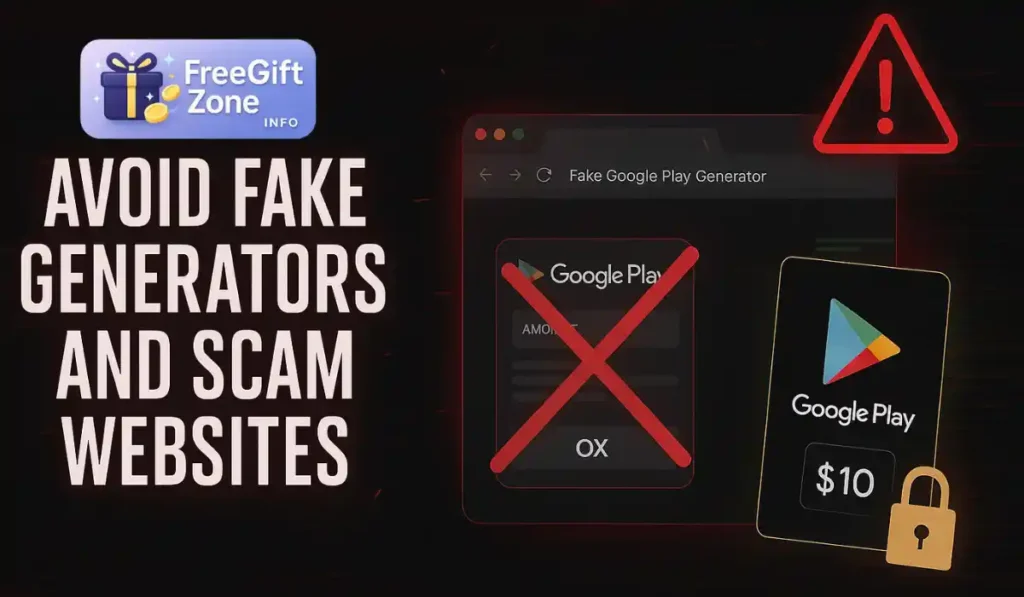
A bad source behaves in the opposite direction. A fake page avoids dates, avoids sponsor names, and avoids any clean explanation of who issued the code in the first place. A fake page usually tries to create urgency before it creates clarity.
What Players Usually Miss When They Chase Free Fortnite Codes
A lot of players do not get trapped because they are careless. A lot of them get trapped because the fake version copies the visible style of a real promotion. A page may borrow Fortnite images, mention V Bucks, and show a timer, so the claim feels familiar even when the behavior is wrong.
A common pattern looks like this. A player finds a code page, enters a username, sees a progress bar, and then gets told to install an app or complete a survey before the reward can be released. That pattern is not a delayed reward system. That pattern is the scam itself.
What a Safe Check Looks Like Before You Redeem Anything
A careful check starts before a code is entered. A safe source should show where the code came from, whether it has already expired, and whether other users have already claimed the same drop. A real source may disappoint you because the code is gone, but it does not keep changing the rules while you stay on the page.
- A visible source such as Epic, a named creator, or a retail bundle
- A direct route to Epic redemption instead of a looping survey path
- Comments or reports that describe when the code stopped working
- No request for account password, OTP, or card details
An unsafe source usually starts shifting behavior after the first click. A clean reward page does not need your account password. A clean reward page does not ask you to install unrelated APK files. A clean reward page does not ask you to prove that you are human six times in a row.
How Redemption Works on the Official Route
The official path stays short. A user opens the Epic redemption page, signs in, enters the code, and gets an immediate result. A successful claim attaches the reward to the account. A failed claim usually means the code has expired, has already been used, or was never valid in the first place.
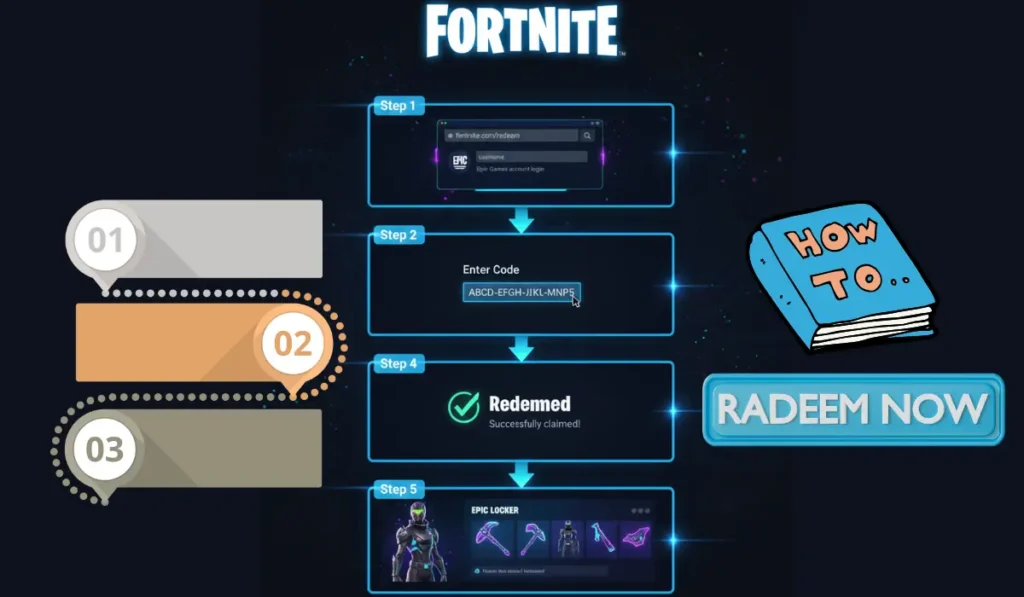
You can verify that route on Epic’s official redemption page at Epic code redemption. A second useful reference is Epic’s Fortnite support material, which explains account and purchase rules in plain language on Fortnite support.
Why So Many Fortnite Code Pages Feel Thin or Misleading
A thin page usually repeats the promise and avoids the behavior behind the promise. A weak article says you can get skins and V Bucks, then fills the rest of the page with generic rewards language. A stronger article explains where drops come from, what failure looks like, how fake pages stall users, and what a valid redemption session actually looks like.
A reader should leave this topic with a better filter, not just more excitement. A player who understands the difference between an issued code and a fake generator wastes less time and makes fewer account security mistakes the next time a flashy drop page appears.
What to Do When a Fortnite Code Fails
A failed code does not always mean the source was fake. A real drop can fail because another player claimed the code first, because the region does not match, or because the campaign expired before you reached the redemption step. A user who sees an instant error on Epic should stop there and check the source notes rather than jumping into another random claim page.
- Check whether the code was single use and already claimed
- Check whether the campaign was limited to a platform or region
- Check whether the source announced an end time or stock limit
- Check whether the code format matches Epic’s actual redemption flow
Final View on Free Fortnite Code Claims
A real Fortnite code claim feels brief, visible, and easy to verify. A fake Fortnite code claim feels theatrical, delayed, and always one step away from completion. That difference matters more than the promise written in the headline.
A player who follows issued promotions, checks the source behavior, and redeems only through Epic has a much better chance of finding a valid drop without exposing the account to junk links or fake verification traps. A player who chases every page that promises unlimited rewards usually loses time long before any reward appears.
FAQs
Can a real Fortnite code give unlimited V Bucks?
A real Fortnite code does not create unlimited V Bucks. A valid code usually connects to a fixed cosmetic item, a bundle, or a limited stored value promotion.
What is the clearest sign that a Fortnite code page is fake?
A fake page usually keeps asking for extra steps after the claim has already started. A survey loop, APK install request, or password request is a stronger warning sign than the headline itself.
Related reward guides
For broader comparisons, also read our Fortnite V Bucks and cosmetic codes guide, the Free Fire redeem code page, and the COD Mobile redeem codes guide.